« This product, which is part of the identity of my region, is still often associated with memories of canteens or the army… yet it is a simple product which, when well prepared, brings great finesse and which, in my opinion, derives its nobility from its versatility. »
François Gagnaire
Lentils are just as natural on family tables as they are on Michelin-starred ones. Easy to use, it can be used all year round and its neutrality offers a wide range of possibilities.
Chef François Gagnaire’s secret to twisting its roundness? Star anise, which adds a lovely freshness. But the chef’s audacity comes in three ‘ways’: as grains, when it is served at Anicia ‘s as lentil caviar (in a caviar tin) with a carp crumble worked with mascarpone, fresh ginger, lime and dill; as flour, to make ’homemade’ blinis, galettes and breads; as a purée, when it is blended until it forms the famous lentil pulp that makes a bavaroise (on which a crumble is placed that resembles the volcanic earth that gives it its name), a velouté or to create desserts such as a crème brûlée, a lentil and blueberry tart or a frangipane cake to celebrate the kings.
The green Puy lentil, a unique and well-deserved appellation in the world, even featured in the France 5 report (french tv show) “Toi l’Auvergnat, quand tu mangeras !“
Through chef François Gagnaire’sinnovative approach to the green Puy lentil, Teritoria underlines its commitment to promoting a gastronomy that celebrates local produce while pushing back the boundaries of culinary creativity. This story illustrates how Teritoria supports a vision of cuisine that is both rooted in the terroir and open to the world, proving that the simplest ingredients can be transformed into exceptional gastronomic experiences.
With Teritoria, discover chefs who transform the everyday into the extraordinary, paying homage to our rich culinary heritage while inviting you to explore new flavours and textures.
Sign up for our newsletter to keep up to date with our latest news, or offer the gift of an unforgettable lentil experience with our gifts.
Teritoria vous accompagne pour faire de chaque voyage une expérience sincère et durable et vous donne 7 conseils pour voyager de façon écologique et réduire son empreinte carbone.
1. Choisissez des modes de transport durables :
Le choix du mode de transport est l’un des facteurs les plus importants pour réduire votre empreinte carbone. Optez pour des moyens de transport plus durables tels que le train, le bus ou le covoiturage plutôt que l’avion.
Si la distance le permet et que vous souhaitez adopter le slow tourisme, envisagez le vélo ou la marche pour explorer les destinations locales.
Lorsque l’avion est inévitable, choisissez des compagnies aériennes qui s’engagent dans des pratiques plus respectueuses de l’environnement et pensez à compenser vos émissions.
2. Séjournez dans des hébergements durables :
Les choix d’hébergement peuvent également jouer un rôle crucial dans la réduction de votre impact environnemental. Optez pour des hôtels, des auberges ou des locations de vacances qui mettent en œuvre des pratiques durables, telles que la gestion efficace de l’énergie, le recyclage et la réduction des déchets.
Les maisons sélectionnées par Teritoria sont justement choisies pour leur fort engagement et leur volonté de réduire leurs émissions grâce notamment au calculateur Clorofil, le premier outil de calcul d’empreinte carbone dédié au secteur de l’hospitalité.
3. Optez pour des activités touristiques durables :
Privilégiez les activités qui favorisent la durabilité et le respect de l’environnement. Choisissez par exemple des excursions éco-responsables, comme des randonnées guidées par des experts locaux engagés dans la préservation de la nature. Explorez des sites historiques et culturels, toujours avec des guides locaux, qui mettent l’accent sur la conservation du patrimoine.
Et bien sûr, évitez les attractions touristiques qui exploitent les animaux sauvages à des fins de divertissement et choisissez plutôt des sanctuaires ou des réserves naturelles qui œuvrent pour la protection des espèces.
4. Adoptez des comportements responsables :
Au quotidien comme lors de votre séjour, adoptez des comportements respectueux de l’environnement. Économisez l’eau en prenant de courtes douches, en réutilisant vos serviettes et en évitant le gaspillage alimentaire. Couvrez-vous pour limiter l’utilisation du chauffage. Respectez la faune et la flore locales en évitant de perturber les écosystèmes naturels.
5. Privilégiez les produits locaux :
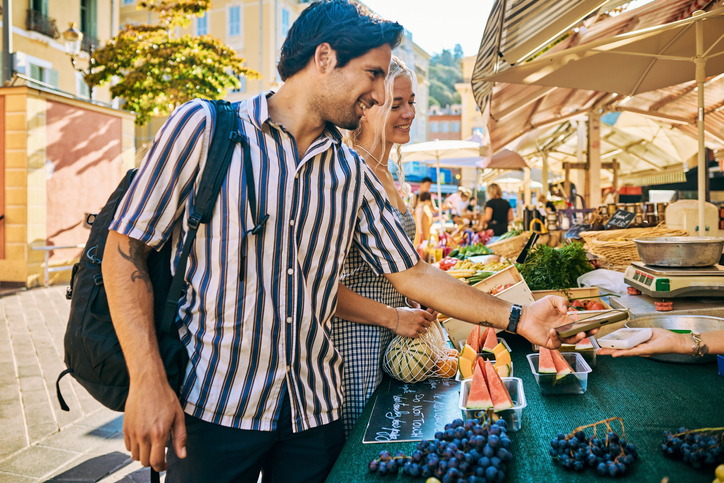
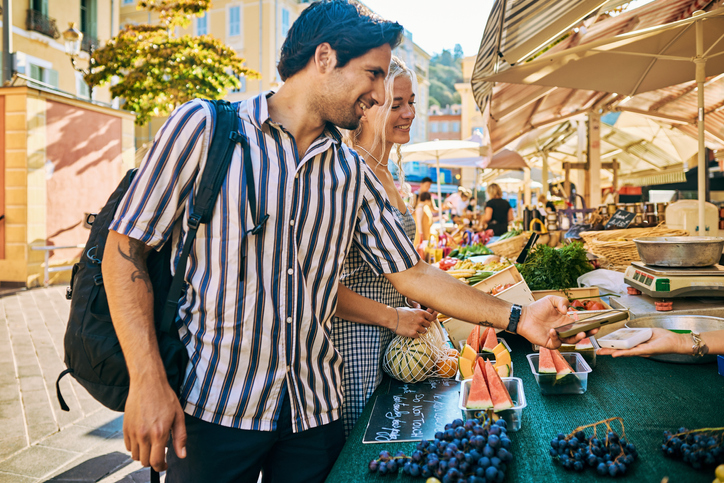
L’alimentation contribue également à l’empreinte carbone de votre voyage. Optez pour des restaurants qui privilégient les produits locaux et de saison. Évitez les plats à base d’espèces menacées et soutenez les marchés régionaux pour encourager l’économie locale tout en réduisant l’impact environnemental lié au transport de produits.
Les restaurateurs Teritoria se distinguent par ce souci d’une alimentation saine pour les hôtes et pour la planète en travaillant avec des producteurs locaux et des produits bio.
6. Réduisez l’utilisation de plastique :
La pollution plastique est un problème mondial, et les voyageurs peuvent contribuer à sa réduction en limitant l’utilisation. Apportez votre gourde là où l’eau courante est propre à la consommation, utilisez des sacs réutilisables pour faire vos courses et évitez les articles à usage unique.
Lorsque vous explorez la nature, assurez-vous de ne laisser aucun déchet derrière vous et n’hésitez pas à participer à des initiatives de nettoyage avec les gens du coin, c’est une belle façon de rencontrer les communautés locales.
7. Compensez vos émissions de carbone :
Malgré tous les efforts pour réduire votre empreinte carbone, il peut être difficile d’éliminer toutes les émissions. Dans ce cas, envisagez de compenser votre empreinte carbone en participant à des programmes de compensation. De nombreuses organisations proposent des projets de reforestation ou de préservation des écosystèmes que vous pouvez soutenir financièrement.
Teritoria s’engage à verser 3 % de son chiffre d’affaires à des projets d’agroforesterie en France et en Italieet à mesurer l’empreinte carbone de ses événements afin de contribuer à hauteur de ces émissions en finançant des projets de séquestration carbone.
Conclusion
Voyager de manière écologique et réduire son empreinte carbone ne signifie pas renoncer à l’aventure, mais plutôt adopter des pratiques plus durables. En intégrant ces conseils, vous contribuerez à la préservation de notre planète tout en continuant à explorer ses merveilles.
Teritoria s’engage dans une approche de voyage écologique, en mettant l’accent sur la réduction de l’empreinte carbone. Nous sélectionnons des destinations et des hébergements qui partagent notre vision d’un tourisme durable et respectueux de l’environnement.
En choisissant Teritoria, vous optez pour des voyages qui allient découverte et responsabilité écologique, contribuant ainsi à la préservation de notre planète tout en explorant ses merveilles.
Pour rester à jour et recevoir nos derniers articles et suggestions pour vos prochains voyages,inscrivez-vous à notre newsletter. Pour offrir un voyage responsable à vos proches, rendez-vous dans notre boutique cadeaux.
From eco-friendliness and flexibility to comfort and savings, the European rail network offers a unique travel experience. Discover the hidden treasures of the Old Continent while helping preserve the planet. Ready to embark on an adventure where the journey matters just as much as the destination?
With its diversity of destinations, cultures, and history, Europe is a true playground for enriching travel experiences. Among all available means of transportation, the train stands out for its timeless charm, practicality, and, of course, its eco-friendliness. Whether you’re exploring the breathtaking landscapes of the Alps or immersing yourself in the cultural mosaic of Central Europe, train travel offers an unmatched way to experience the richness of the Old Continent.
1. Travel in an eco-friendly way
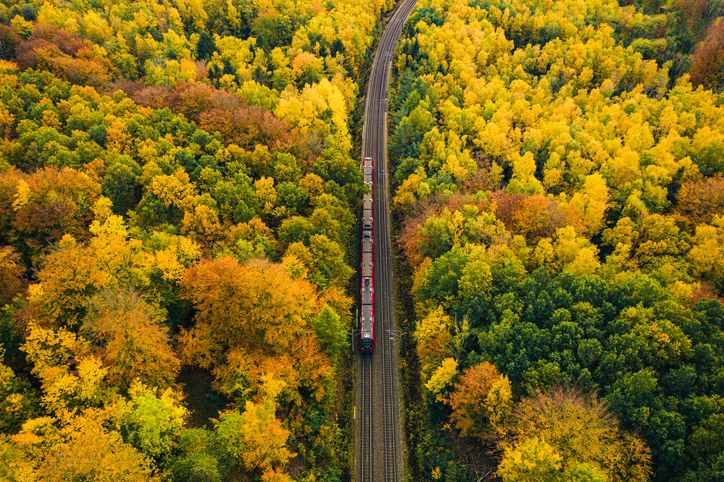
Choosing to travel by train in Europe means embracing an eco-friendly way to explore the continent. Trains are among the most environmentally friendly modes of transport.
Compared to air travel, trains emit far less greenhouse gases per passenger, helping to significantly reduce your carbon footprint. For a 1,000 km journey, roughly the distance from Paris to Florence or Paris to Berlin, you would emit just 2.4 kg of CO₂e by TGV, compared to 178 kg by plane and 218 kg by car¹.
To continue your journey in an eco-friendly way, choose eco-certified accommodations or those committed to reduce their emissions, such as Teritoria houses, which use Clorofil, the first carbon assessment tool dedicated to the hospitality sector, to measure and reduce their carbon footprint. This commitment is a key criterion in how we select our properties.
2. Travel comfortably
The European rail network is renowned for its density and efficiency. High-speed trains like the Eurostar, Thalys, Thello, and TGV connect major cities in record time, offering a fast and comfortable way to travel long distances.
These trains are generally well equipped with Wi-Fi, power outlets, and dining cars, offering a connected and enjoyable travel experience.
Don’t forget sleeper trains, which have been revamped in recent years. They let you arrive at your destination in the morning after a good night’s sleep, ready to make the most of your first day!
3. Discover the beauty of the landscape
Antoine de Saint-Exupéry once said, “What matters is not the destination, but the journey.” In other words, it’s the journey that counts. One of the most captivating aspects of train travel in Europe is the chance to admire the ever-changing landscapes through the window.
From the West Highland Line, which winds through Scotland’s lochs, mountains, and valleys, to the Bernina Express, which crosses the Swiss and Italian Alps through breathtaking scenery, trains offer a unique perspective on the natural diversity of the continent.
4. Make genuine connections
Trains don’t just connect places, they bring people together. On the European rail network, you can move from a cosmopolitan atmosphere to a more traditional setting in just a few hours.
While airports are typically located near major cities, train travel lets you discover smaller, more authentic towns, and experience the warm hospitality of local hoteliers and restaurateurs. It’s the perfect way to embrace slow tourism.
5. Be flexible
Traveling by train offers a rare kind of flexibility. Unlike flights, trains run more frequently and come with fewer planning constraints, for example, there’s no need to arrive at the station three hours early, as you would at an airport.
This mode of transport also allows you to adjust your itinerary as you go. It makes it easier to give in to the call of adventure, stray from your original plan, and discover hidden gems along the way.
6. Save money
Depending on your destination, train travel can be surprisingly affordable. The German D-Ticket, for example, offers unlimited travel on regional trains across the country for just €49 per month.
For eager explorers, the Interrail Pass is a major advantage. It offers unlimited train travel over a set period, giving you the freedom to visit multiple destinations without worrying about transportation costs. It’s a great option if you want to experience Europe’s diversity by exploring several countries in one trip.
Conclusion
Traveling through Europe by train is more than just getting from point A to point B. It’s an immersive adventure, an exploration of cultures, landscapes, and a way to help protect the planet. While modern technology continues to evolve, the timeless charm of train travel remains unchanged, offering travelers an unforgettable experience with every journey. Climb aboard, relax, and let yourself be carried away by the magic of rail travel.
With special care, Teritoria selects authentic homes that are deeply rooted in their local regions and driven by a passion for hospitality. Meet the people who bring these places to life during your train journey, and enjoy a unique, intimate experience.
————–
To stay up to date and receive our latest articles and suggestions for your next trips, sign up for our newsletter.
To offer your loved ones a responsible trip, visit our gift shop.
In this article, we share tips for celebrating Easter in an eco-friendly way.
Let’s start with Easter eggs. Instead of buying plastic ones, opt for papier-mâché or chocolate eggs wrapped in paper. You can also choose free-range eggs to support more sustainable farming.
Next, think about the gifts you give. For a low-waste Easter, choose sustainable options like books, wooden toys, or ethical and locally made products. You could also go for experiences, like family outings, that create lasting memories.
Finally, try to avoid food waste during the traditional Easter meal. Plan your shopping carefully and cook with seasonal, locally sourced ingredients to support nearby farmers.
Celebrating Easter in an eco-friendly way doesn’t mean giving up the joy and togetherness of the holiday, quite the opposite. It’s a chance to create lasting memorieswhile doing something good for the planet.
The environmental impact of traditional Easter celebrations
Traditional Easter celebrations can have a significant environmental impact. Plastic eggs, disposable decorations, non-recyclable gift wrap, and heavy meals all contribute to waste and pollution. That’s why it’s important to be mindful of these issues and consider more sustainable alternatives.
Understanding eco-friendly Easter traditions
To celebrate Easter in an eco-friendly way, it’s essential to understand which practices have a positive impact on the environment. This means adopting a more mindful approach to consumption and choosing sustainable alternatives. By being aware of the issues, and the solutions, we can all help protect the planet while enjoying the holiday.
Sustainable gift ideas for Easter
When choosing gifts for your loved ones at Easter, think about their sustainability. Opt for gifts that will last a long time and won’t contribute to environmental pollution. Books, wooden toys, sustainable clothing and ethical products are all options to consider. By choosing sustainable gifts, you’re helping to reduce waste and encourage more responsible consumption.
With this in mind, why not offer a meaningful and memorable experience with a Teritoria gift box? Our Stay, Gastronomy, and Well-being collections embody the spirit of responsible, local tourism, celebrating the richness of Europe while supporting sustainable practices. By giving a Teritoria gift box, you’re not just sharing an unforgettable moment; you’re promoting a form of tourism that respects both communities and the environment. It’s a gift that marks spirits, not the planet, and reflects our vision of sincere, sustainable hospitality.
DIY with recycled materials for Easter
One great way to celebrate Easter in an eco-friendly way is by making your own decorations and gifts using recycled materials. For example, you can turn tin cans into Easter baskets or weave old newspapers into creative containers. Greeting cards made from recycled cardboard and dried flowers are another thoughtful touch. The possibilities are endless, and you’ll end up with unique, sustainable creations.
Incorporate sustainable food choices for a waste-free Easter menu
Easter dinner is often a time for family gatherings and generous meals. To make it more eco-friendly, focus on choosing sustainable foods. Opt for seasonal, locally sourced products to support nearby farmers. Reduce food waste by planning your meals carefully and getting creative with leftovers. You can also consider vegetarian options to further lower the environmental impact of your Easter celebration.
Organise a waste-free Easter egg hunt
The Easter egg hunt is a cherished tradition for many children. To make it more eco-friendly, use chocolate eggs wrapped in recyclable paper, or even organise a virtual hunt. You can also swap plastic eggs for papier-mâché or reusable wooden ones. By making the egg hunt more sustainable, you help children understand the importance of caring for the environment, all while having fun.
Easter eggs: an eco-friendly choice for a waste-free Easter
Let’s start with Easter eggs. Instead of buying plastic ones, opt for papier-mâché eggs or chocolate eggs wrapped in recyclable paper. These choices not only reduce waste, but also add a personal touch to your celebrations. You can even involve your children in making the papier-mâché eggs, a fun and creative activity for the whole family. By choosing these eco-friendly alternatives, you’re taking a meaningful step toward a more sustainable Easter.
Another important aspect of Easter eggs is the type you choose. Instead of buying conventional eggs from caged hens, opt for free-range eggs, laid by hens that can roam freely, rather than being confined to small cages. Supporting more sustainable farming practices not only promotes animal welfare, but also helps reduce the environmental impact.
Supporting local businesses
During the Easter festivities, support your local community by choosing locally made products. This not only reduces your carbon footprint, but also strengthens the local economy. Seek out local chocolatiers, artisans, and producers for ethical, high-quality gifts. By supporting local businesses, you promote more sustainable production methods and help foster a circular economy.
Celebrating Easter in an eco-friendly way doesn’t mean giving up the joy and togetherness of the holiday. On the contrary, by embracing sustainable practices, you can create lasting memories while helping to protect the planet. Whether it’s choosing thoughtful, eco-friendly gifts, making your own decorations, or opting for sustainable food choices, everyone can play a part in making Easter waste-free. We can all be agents of change and help safeguard the planet for future generations.
At Teritoria, we share your passion for a more sustainable and responsible world. Since 1975, we’ve been promoting a vision of hospitality that respects both people and the planet, uniting 430 hoteliers and restaurateurs across Europe who embody this commitment. Our small-scale, committed establishments reflect our passion for authentic, eco-friendly hospitality. Sign up for our newsletter to stay up to date, get inspired with meaningful gift ideas, and discover stays that truly make a difference. Join our community committed to tourism that marks spirits, not the planet. Explore our gift shop and give a present that goes beyond the Easter celebration: an authentic, thoughtful, and unforgettable Teritoria experience.
In this article, we explore the origins and meaning of Easter chocolate in France, highlighting the savoir-faire and traditions of French chocolatiers.
Origins and history of Easter chocolates
Easter chocolates have become a symbol of celebration and tradition in many cultures around the world. Their history, a blend of pagan rituals and Christian customs, s as rich and varied as the shapes and flavours they take today.
Pagan origins
The origins of Easter celebrations go back long before their adoption by Christianity, rooted in springtime and fertility festivals. Symbols like eggs and rabbits were already present in ancient pagan traditions, representing birth and abundance. Eggs, in particular, were dyed, decorated, and exchanged as gifts, a precursor to today’s Easter egg traditions.
The Christian appropriation
With the spread of Christianity across Europe, many pagan traditions were assimilated and reinterpreted through a Christian lens. Easter, celebrating the resurrection of Jesus Christ, became the most important feast in the Christian calendar. Eggs, long-standing symbols of new life and rebirth, were incorporated into the Easter celebration. Over time, the tradition of abstaining from eggs during Lent led to their blessing and distribution at its conclusion, further strengthening their association with Easter.
The invention of Easter chocolates
The appearance of Easter chocolates is relatively recent and dates back to advances in chocolate-making during the 19th century. Once a laborious and expensive process, chocolate production became more accessible thanks to technological innovations. In 1828, Coenraad van Houten’s invention of the chocolate press revolutionised the industry, making chocolate smoother, easier to work with, and more enjoyable to eat.
The first Easter chocolates were simple solid chocolate eggs. But as moulding techniques improved, manufacturers began producing hollow eggs that could be filled with surprises. These innovations transformed Easter chocolates into edible works of art, carefully crafted, beautifully decorated, and often elegantly packaged.
Modern Easter Chocolates
Today, Easter chocolates are an integral part of the celebration in many parts of the world. They come in a wide variety of shapes, from traditional eggs and rabbits to more elaborate, personalised creations. Chocolatiers compete for attention with inventive designs, high-quality chocolate, and imaginative fillings and flavours.
Easter chocolate, a delicious tradition
Over the centuries, this religious celebration has absorbed various popular traditions, including that of Easter chocolate. In France, chocolate has become an essential part of the holiday. Every year, both young and old eagerly await the moment they can indulge in these sweet treats.
French craftsmanship at the heart of tradition
Beyond its delicious taste, Easter chocolate embodies the excellence of French craftsmanship. Chocolatiers across France draw on ancestral savoir-faire to create truly unique pieces. Each creation is the result of meticulous work, blending creativity with technical mastery. These artisans select the finest cocoa and refine textures and flavours to produce chocolates of exceptional quality.
Creativity, the hallmark of French craftsmanship
French chocolatiers aren’t content with simply reproducing traditional Easter shapes, they constantly innovate, offering original creations that surprise and delight. From eggs adorned with delicate patterns to chocolate figurines depicting spring scenes, these artisans’ imagination knows no bounds. Their creations reflect a living craft, one that continually reinvents itself while staying true to tradition.
Easter Chocolate: More Than Just a Treat
Choosing artisanal Easter chocolate also means supporting a responsible and ethical approach. More and more French chocolatiers are turning to fair trade cocoa and committing to environmentally friendly production methods. By buying their creations, consumers help promote a virtuous economic model, one that respects both cocoa producers and the planet.
Beyond the taste, buying Easter chocolate from an artisan is an experience in itself. Stepping into a chocolate shop means being greeted by enchanting aromas and the chocolatier’s passion for their craft. With personalised advice, stories behind the creations, and tastings, Easter chocolate becomes more than just a treat, it’s a true immersion into the world of chocolate.
Sign up for our newsletter to stay up to date with the latest news and get inspired with gift and holiday ideas that make a difference. Join our community committed to tourism thatmark the spirits, not the planet. Explore our gift shop and offer a present that keeps on giving, long after the Easter celebrations are over: an authentic, meaningful, and unforgettable Teritoria experience.
Want to treat your loved ones? Teritoria gift boxes are the perfect way to surprise them with exceptional experiences. Here’s your complete guide to a memorable Easter weekend.
Easter break: a spring getaway for the family
A destination full of charm and nature
For an unforgettable Easter break, choose a beautiful getaway in the heart of nature. Opt for charming accommodation, such as a guesthouse or boutique hotel nestled in a picturesque region.
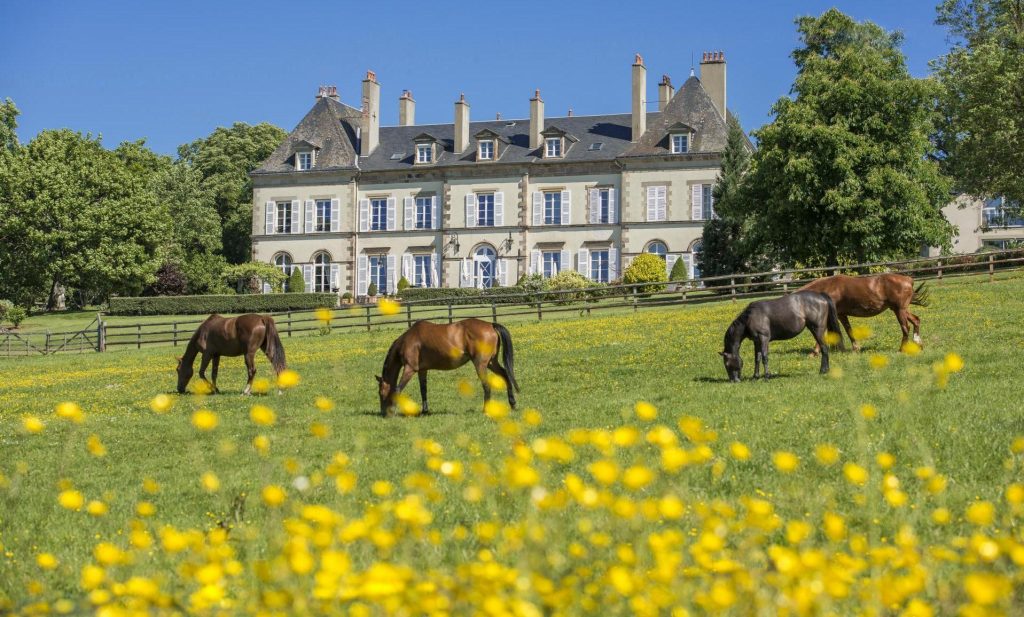
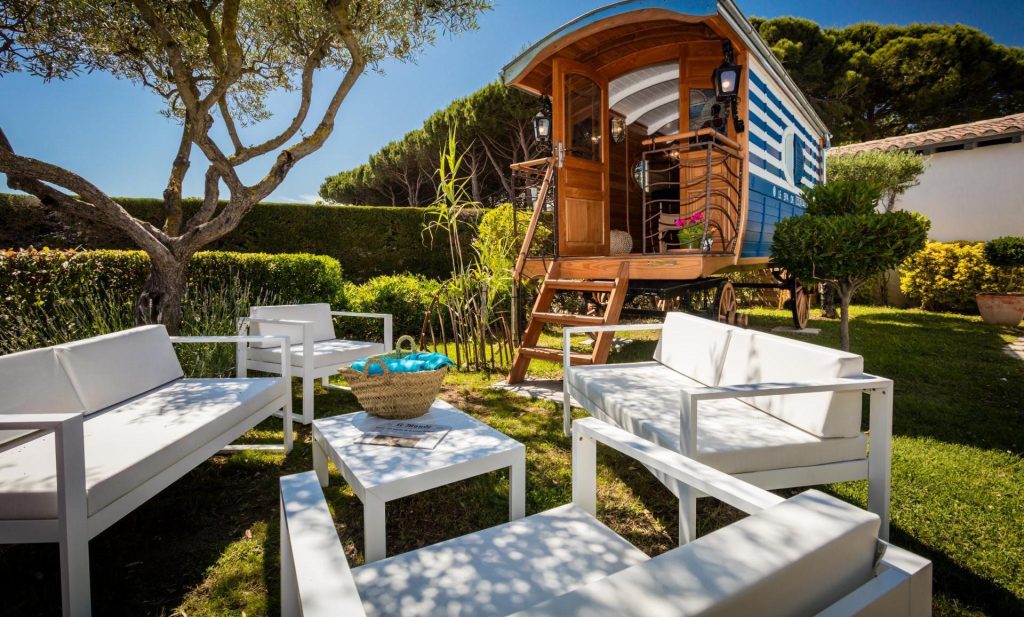
Destinations near vineyards, national parks, or historic villages offer the perfect setting for morning walks and countryside picnics. Domaine de la Monestarié is ideal for this, a place that evokes the spirit of Tuscany, where charm and elegance come together. Guests come to this guesthouse with friends, as a couple, or with family to enjoy la dolce vita. An idyllic retreat to welcome the arrival of spring.
Cultural and historical stay
For those who prefer to enrich the mind, opt for a city steeped in history and culture. Cities like Carcassonne, with its famous medieval citadel, offer fascinating discoveries. Make the most of guided tours, museums, and monuments to immerse yourself in the past.
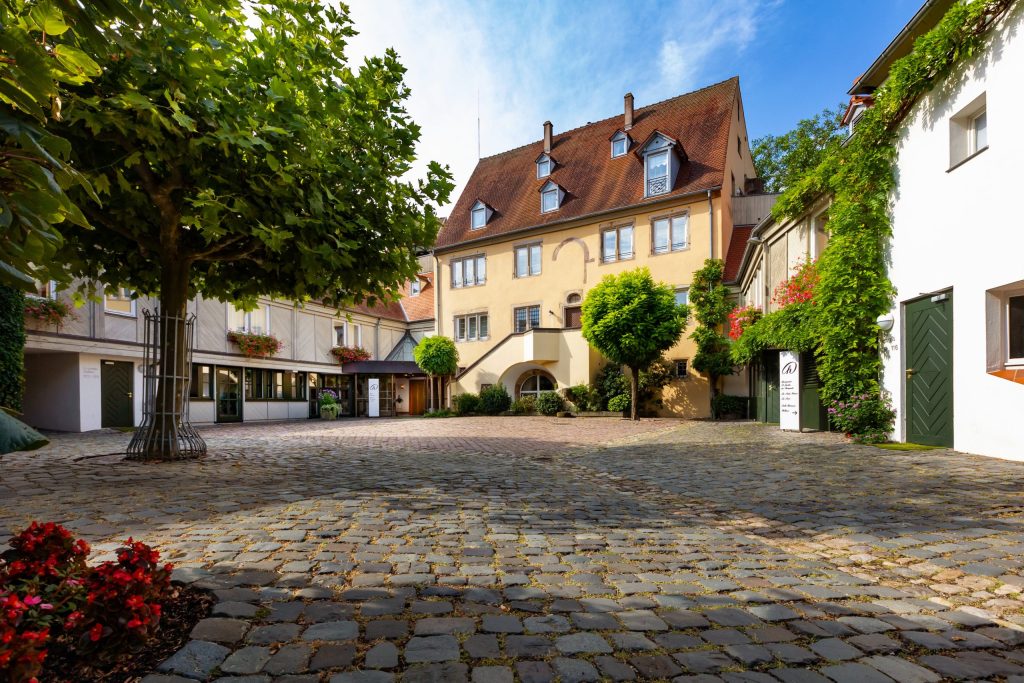
If you feel like exploring the trails of Alsace, head to Hôtel À La Cour d’Alsace. Nestled in the heart of the picturesque medieval town of Obernai, in the Grand Est region, this hotel and restaurant is housed in an elegant building that once belonged to the Barons of Gail. Combining historic charm with modern comfort, it offers an unforgettable stay in an exceptional setting.
For a romantic Easter weekend
Imagine waking up to birdsong in a charming cabin nestled in the heart of a lush green estate. For a romantic Easter weekend, choose unique accommodation, like a tree house or a castle. These places offer not only an exceptional setting but also a timeless experience, ideal for couples.
How about staying in a former monastery? Le Monastère de Saint-Mont, a thousand-year-old estate located between Bordeaux and Biarritz, offers a truly unique experience with 11 charming rooms, each with breathtaking views of the vineyards or surrounding countryside. The site also features a Hammam suite with a private wellness area. As for cuisine, French gastronomy takes center stage. Unpretentious yet refined, it’s elevated by chef Jean-Paul Tossens, who showcases the finest produce from the Gers region.
Enjoy Easter with friends
For a group of friends looking to celebrate Easter in an original way, opt for an outdoor adventure. Whether it’s a hike in the mountains, a surfing weekend on the coast, or a kayaking trip through the gorges, the key is to share memorable moments and create lasting memories together.
The Romantik SPA Hotel Seefischer am See, located in Döbriach, Carinthia, offers a memorable experience on the shores of Lake Millstättersee. This 4-star family-run hotel features rustic yet timeless rooms with stunning views of the lake or mountains. Ideal for outdoor enthusiasts and a perfect choice for an Easter weekend with friends, the hotel offers a range of activities including hiking, golf, and skiing.
Easter weekend: a gastronomic experience
Easter Brunch
Easter brunch is a tradition that’s perfect for a long weekend. Look for a restaurant offering a special menu for the occasion, featuring seasonal dishes like Easter lamb, decorated eggs, and traditional pastries. It’s a great opportunity to enjoy a delicious meal in a warm, chocolate-filled atmosphere. For example, Teritoria’s L’Ostau Camarguen is hosting a gourmet brunch with an egg hunt on 31 March, an unforgettable Easter Sunday for the whole family!
Gourmet dinner
For a more refined experience, book a table at a gourmet restaurant. Many chefs create special Easter menus that highlight local produce and showcase their culinary creativity. That’s exactly what you’ll find at Teritoria Le Camondo in Paris, where chefs Fanny Herpin and Mehdi Boucenna have crafted a festive menu designed to tantalise your taste buds, paired with a signature cocktail created especially by the head barman. It’s a perfect opportunity to discover (or rediscover) haute cuisine in an elegant setting. Discover the menu at Le Camondo here.
Explore Teritoria’s dedicated restaurateurs, committed to caring for their well-being, their resources, and the planet. They offer a culinary journey full of delight and meaningful encounters with passionate hospitality professionals.
Easter gift: Teritoria accompanies you during your Easter weekend
For lovers of fine dining
Teritoria’s Gastronomy Collection gift boxes are the ideal gifts for food lovers and culinary adventurers. Give a box that includes dinner at a Michelin-starred restaurant or a wine tasting at a renowned vineyard. It’s a gift that promises unique and memorable flavour experiences.
Escape and well-being
For those dreaming of relaxation and escape, choose a getaway collection that includes an overnight stay in a charming hotel with a spa. It’s the ideal way to combine rest, wellness treatments, and the discovery of a new destination, all in an idyllic setting.
Customisation and flexibility
What sets Teritoria gift boxes apart is the ability to personalise the experience according to the recipient’s tastes and preferences. With extended validity, they also offer the flexibility to plan the stay or gastronomic experience at the most convenient time.
Discover all our unforgettable gift boxes now and give the gift of a genuine, lasting experience. Sign up to our newsletter to keep up to date with our latest news and discover the best places in Europe to organise your family holidays.
Although travel has a significant environmental impact, it can also raise awareness of the climate crisis and encourage us to become more conscious and responsible explorers. Teritoria helps us navigate this dilemma.
1. Observe environmental changes
When we explore regions affected by the climate crisis, we witness its consequences firsthand: melting glaciers, islands threatened by rising sea levels, forests ravaged by fire. These concrete examples can sharpen our awareness. Seeing climate change with our own eyes can prompt deeper reflection on the need to act, and to rethink how we live.
2. Understanding the vulnerability of local communities
Travel can also help us understand how local communities are directly affected by climate change. By engaging with locals, we witness how these changes deeply impact their lifestyles, economies, and food security. This awareness of human vulnerability can inspire us to act, by supporting positive initiatives and rethinking the way we travel. It can also encourage more responsible choices, such as choosing establishments that are committed to supporting the local economy and that place human relationships at the heart of their work. This is the vision of travel that Teritoria promotes through its community of hoteliers, restaurateurs, and travellers.
3. Get involved in sustainable practices
A growing number of companies in the tourism sector are adopting sustainable practices to reduce their carbon footprint. These examples can inspire us to embrace a more environmentally friendly lifestyle in our daily lives. All the properties selected by Teritoria share a commitment to sustainability, a key criterion for inclusion in our guide. In 2024, each of them pledged to calculate the carbon footprint of their activities using the Clorofil calculator, and to reduce their impact by managing consumption, cutting waste, and prioritising local products, good practices that we can all apply at home.
4. Be aware of your carbon footprint
Travel, especially by air, accounts for a significant share of global carbon emissions. Becoming aware of our travel footprint can encourage us to reduce unnecessary trips, choose less polluting modes of transport like trains or bicycles, or offset our emissions by supporting reforestation projects. Teritoria, for its part, is committed, on behalf of and alongside its members, to financing agroforestry projects in rural areas of France and Italy.
5. Discovering local solutions
Every region of the world faces specific challenges related to climate change, and solutions vary depending on geography. Travelling can help us discover the responses already in place, and adapt them to our own context. Austria, for example, has introduced the ‘KlimaTicket’, which allows unlimited bus and train travel across the country for just €3 per day. A concrete step toward promoting sustainable mobility.
6. Learning and raising awareness
Many tourist sites and museums now offer exhibitions on climate change and biodiversity. It’s often also possible to visit nature reserves managed by local associations. Travel can therefore be a powerful opportunity for education and awareness. It allows us to learn about the causes and consequences of climate change, and to explore possible solutions.
7. Promote responsible tourism
By becoming aware of the environmental impact of our adventures around the world, we’re more inclined to support and promote responsible tourism. We’re more likely to choose destinations and businesses that actively commit to sustainable practices, a mission that Teritoria embraces through the first guide to committed and engaging hospitalityin Europe. This helps build collective awareness and supports the growth of sustainable tourism.
8. Inspire others
When we return home with a heightened awareness of environmental challenges, we often become informal agents of change within our communities. The experiences and stories we share can influence those around us, and even reach further through social media.
Conclusion
There’s no denying that travel can raise awareness of the climate crisis, by exposing us to its environmental impacts and to the challenges faced by local communities. It also introduces us to sustainable practices, makes us conscious of our own carbon footprint, highlights local solutions, and deepens our understanding. As informed travellers, we can become agents of change and inspire others. Yet these benefits must be weighed against the emissions generated by travel itself. Responsible tourism offers a path forward, one that Teritoria promotes through a selection of properties that meet essential criteria: respect for the environment and workers, a spirit of curiosity, and a true sense of hospitality.
Stay up to date and receive our latest articles and travel suggestions, sign up for our newsletter. Looking to offer your loved ones a responsible trip? Visit our gift shop.
Over the decades, with the democratisation of transport, tourism has changed dramatically, at times becoming a frantic race to tick destinations off a list. Yet in recent years, a new movement has emerged, offering a more relaxed and authentic alternative: slow tourism. In this article, we explore the concept and principles of slow tourism, and suggest destinations in France and Italy where you can rediscover the beauty of travel at a more leisurely pace.
What is slow tourism?
Slow tourism is a response to mass tourism and the frenzy that often surrounds modern travel. As a branch of responsible tourism, it emphasises the pleasure of travelling slowly, taking time to appreciate each moment, each place, and each culture. It prioritises quality over quantity, promoting values such as sustainability and respect for the environment and local communities.
Slowness is one of the defining features of slow tourism. It means taking the time to fully immerse yourself in a destination, engage in authentic experiences, and create lasting memories. This approach also helps reduce the carbon footprint of travel by avoiding rapid movement from one place to another.
This is one of the cornerstones of Teritoria, which aims to put people and places back at the heart of travel, away from the crowds, and focused on creating lasting memories. Every hotelier and restaurateur in our guide shares their own story, a commitment to authenticity and hospitality that makes each experience truly unique.
The principles of slow tourism
Slow tourism is based on several fundamental principles:
Take your time: instead of rushing to see as many places as possible in a short span, travellers give themselves the freedom to linger, explore at their own pace, and soak up the local culture.
Focus on authenticity: travellers seek genuine experiences, want to meet local people, and take part in activities that reflect the true essence of a destination. Choosing establishments with strong local roots is also a way to encourage connection, sharing, and openness to others. Teritoria’s hoteliers and restaurateurs embody the identity of their communities and are committed to sustainable hospitality.
Supporting the local economy: Slow tourism encourages the consumption of local products and services, helping to sustain the economies of the communities visited. The properties selected by Teritoria share these values of authenticity and exchange. For example, our restaurants all offer a selection of seasonal, locally sourced products.
Respecting the environment: on a slow journey, travellers adopt environmentally friendly practices, reducing waste, choosing sustainable transport options like trains or carpooling, and staying in eco-friendly accommodation. Teritoria’s community houses, for example, are committed to calculating their carbon footprint using the Clorofil calculator by 2024.
Disconnecting from technology: a slow journey offers the chance to step away from electronic devices, encouraging more human interaction and a deeper connection with nature.
Slow tourism destinations in France
Rather than rushing across the country, why not explore a single region in depth and at a leisurely pace? With its extraordinary landscapes and unrivalled quality of life, France is full of ideal destinations for slow tourism. Here are a few examples:
Provence :
The Provence region, with its magnificent lavender fields, picturesque villages, and rich cuisine, offers an authentic slow tourism experience.
Brittany:
Batz Island, France
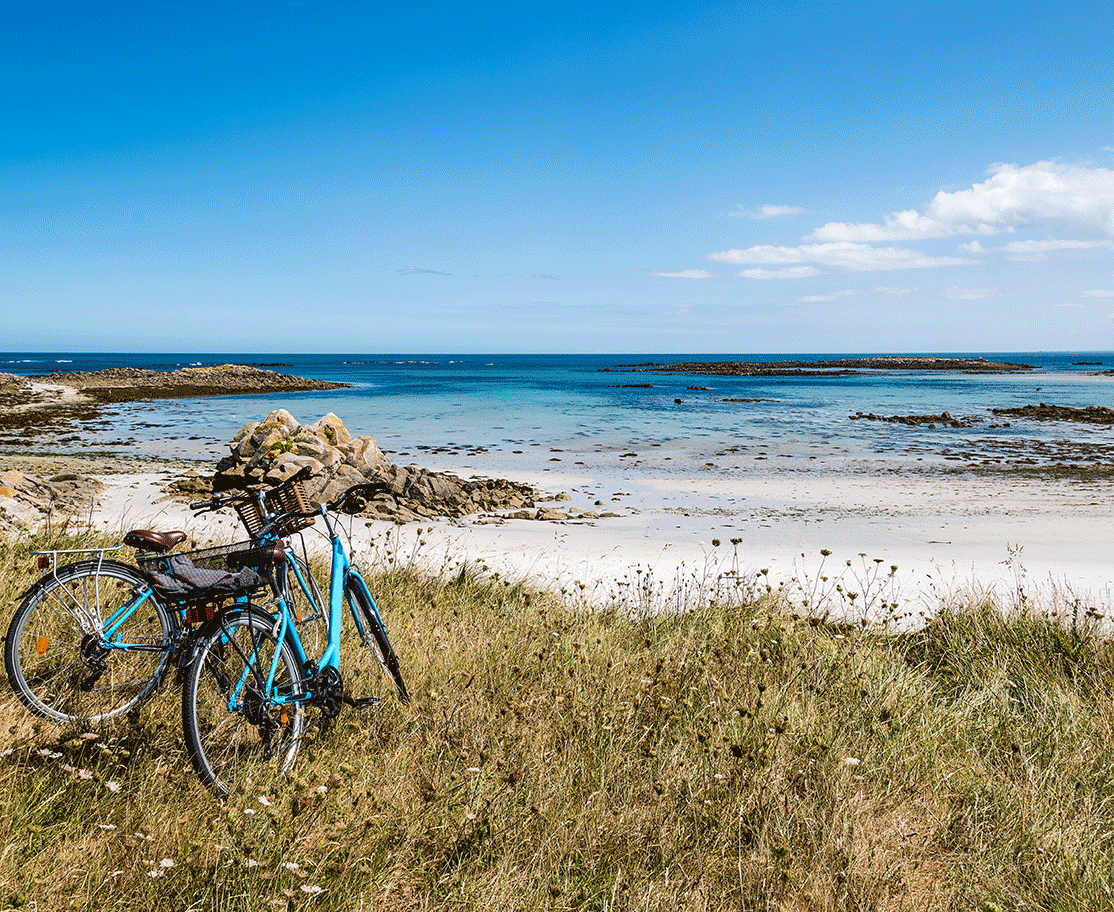
Brittany’s wild coastline, small fishing ports, and rich Celtic culture invite you to explore at a leisurely pace.
The Dordogne :
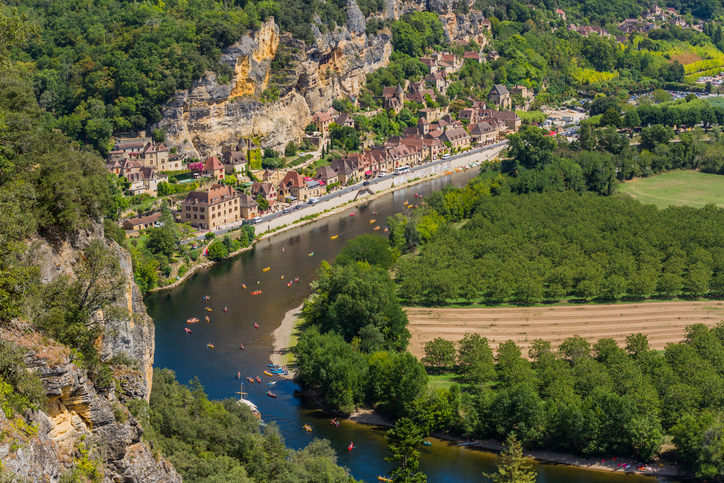
La Roque-Gageac, Dordogne, France
The Dordogne Valley is a peaceful haven, with its castles, prehistoric caves and local cuisine.
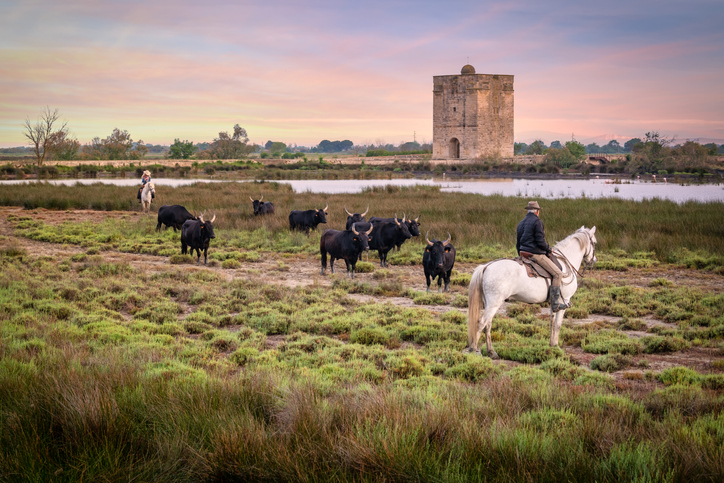
The Camargue :
This nature reserve, unique in France, is a favourite among nature lovers, with its marshes, wild horses, and flamingos.
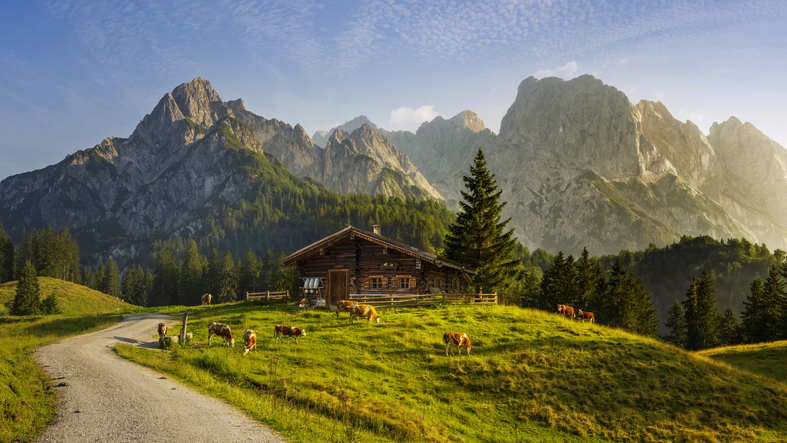
The Alps:
For mountain lovers, the Alps offer breathtaking landscapes and outdoor activities in every season.
Slow tourism destinations in Italy
Italy is another gem for slow tourism enthusiasts, with its rich history, renowned cuisine, and diverse landscapes. Here are a few destinations to consider:
Tuscany:
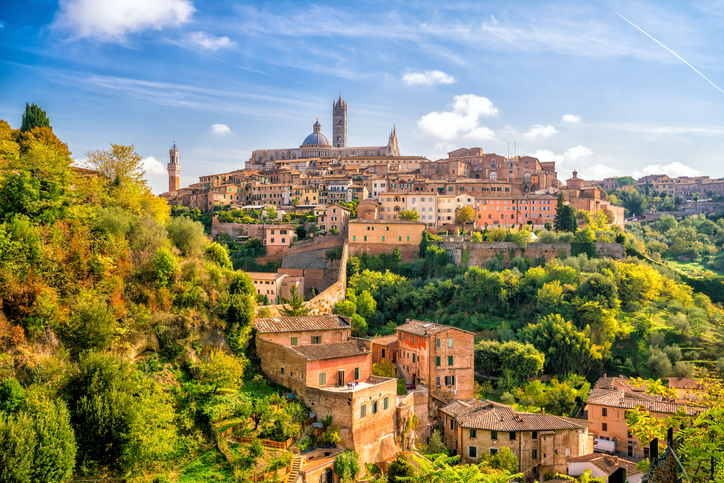
Siena, Italy
The rolling hills of Tuscany, its vineyards, medieval villages, and Renaissance art make it a prime destination for slow tourism.
Sicily:
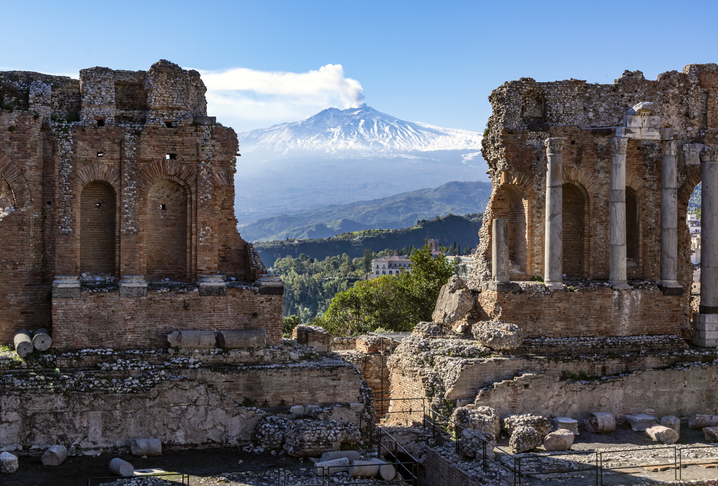
View of the Etna through the ruins of the amphitheatre in Taormina, Sicily
The island of Sicily, with its delicious cuisine, stunning beaches, and fascinating archaeological sites, is perfect for a slow, immersive experience.
Liguria:
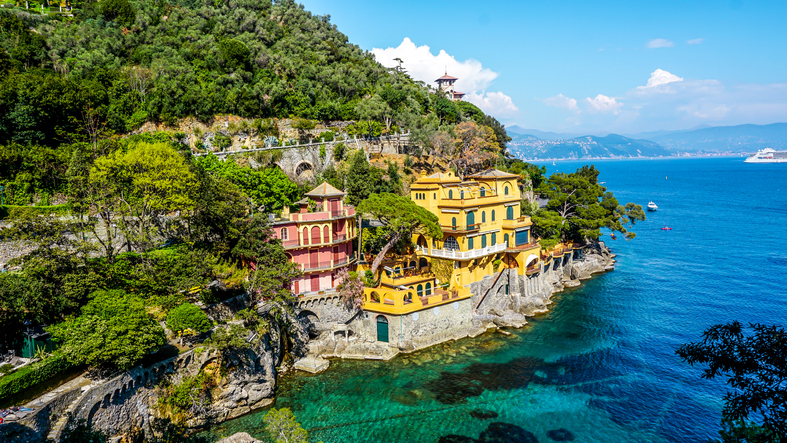
Santa Margherita, near Genoa, Italy
Also known as the Ligurian Riviera, this area boasts a stunning coastline and exceptional cycling routes, from Ospedaletti to Sanremo and San Lorenzo al Mare, making it a prime destination for cycling enthusiasts.
Puglia:
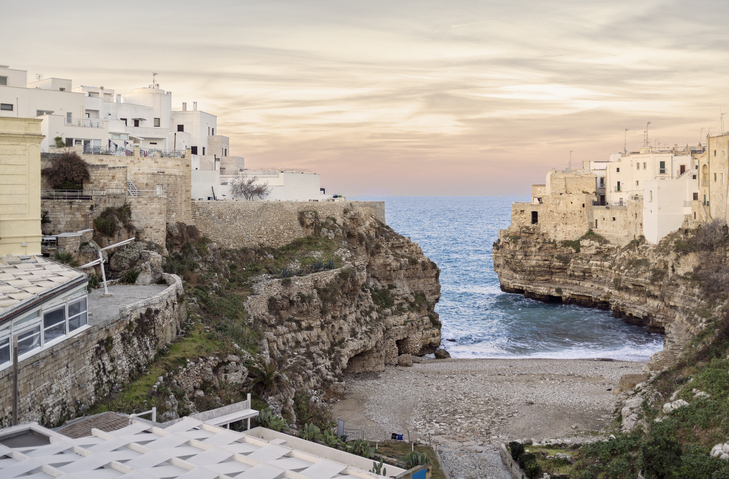
Polignano a Mare, Italy
This region in southern Italy is known for its pristine beaches, whitewashed villages, and authentic Mediterranean cuisine.
Sardinia:
Maddalena Archipelago National Park, Italy
The island of Sardinia, with its white sandy beaches, rugged mountains, and unique culture, is an ideal destination for slow tourism.
Conclusion
By embracing the principles of slow tourism, you can enjoy a more meaningful travel experience, taking the time to connect with your destination, meet locals, and create lasting memories. Whether in France or Italy, both countries offer a wealth of beautiful places where you can rediscover the joy of travel at a more leisurely pace. So let yourself be carried away by slow tourism, and explore these dream destinations for an unforgettable, authentic, and sustainable journey.
Stay up to date and receive our latest articles and suggestions for your next trips by signing up for our newsletter. To offer your loved ones a responsible trip, visit our gift shop.
With Teritoria, discover what eco-friendly travel really means, how to do it right, what to avoid, and where to go. Ready to pack your bags? We’ve got destination ideas and responsible places to stay!
What is eco-friendly travel?
Eco-friendly travel, also known as “ecotourism”, is defined by the International Ecotourism Society as “a form of responsible travel to natural areas that promotes environmental protection and the well-being of local people.” It is one branch of responsible tourism.
It is defined by practices that respect the environment, local cultures, and communities. This means minimising your carbon footprint, supporting sustainable local businesses, and protecting biodiversity. In short, the goal is to reduce the negative impacts of your trip as much as possible while maximising the positive ones.
How can you travel in an eco-friendly way?
1. Advance planning:
Before you leave, take time to research eco-friendly destinations, reading this article is a great place to start! Choose eco-certified accommodation, such as those with a Clorofil badge, which recognises efforts to reduce carbon intensity, a key criterion in Teritoria’s selection process. Also, opt for sustainable transport options and look into environmentally friendly activities available in the area you plan to explore.
2. Reduce your carbon footprint:
Choose low-impactmodes of transport such as trains, carpooling, cycling, or walking. And if you do fly, consider offsetting your carbon emissions by supporting environmental projects like waste management or primary forest conservation. At Teritoria, we allocate part of our annual turnover to agroforestry initiatives in France and Italy.
3. Support the local economy:
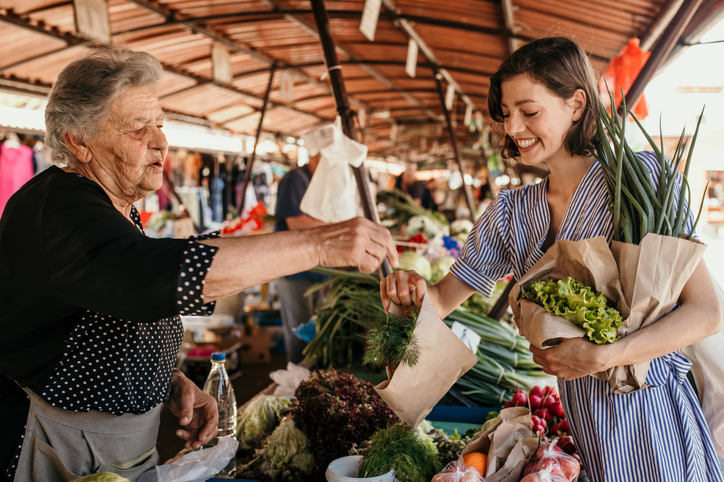
Choose local products, engage with local guides, and support businesses that follow sustainable practices. The properties selected by Teritoria reflect these values of authenticity and connection. For example, our partner restaurants offer seasonal menus featuring locally sourced ingredients. These simple actions contribute directly to the well-being of local communities.
4. Minimise waste:
Pack reusable items, such as a water bottle, cloth bags, and food containersn to avoid single-use products, which are major pollutants!
5. Respect the flora and fauna:
Stay on designated trails, do not interact with wildlife, and avoid purchasing products made from endangered species.
Do’s and don’ts
Eco-Friendly Travel, do’s:
Participate in local initiatives: such as environmental conservation projects or volunteer activities in the area you’re visiting.
Promote awareness: share your experience on social media to inspire others and raise awareness about eco-friendly travel, every little bit helps!
Eco-friendly travel, don’ts:
Avoid supporting environmentally harmful activities, steer clear of tourist attractions that exploit nature or local culture for profit.
Disturbing wildlife: follow local guidelines on wildlife interaction and avoid activities that disrupt ecosystems.
Where to go for eco-friendly travel?
Eco-friendly travel in France
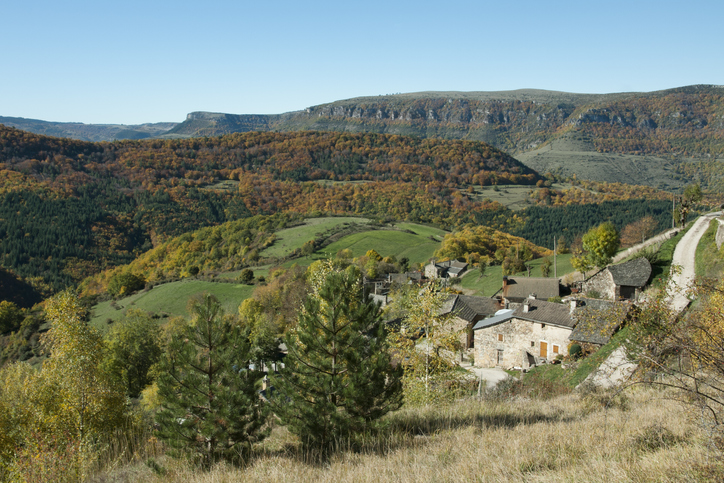
Cévennes National Park
The Cévennes offer an immersive experience in unspoilt nature, with hiking trails, diverse wildlife, and local initiatives focused on sustainability.
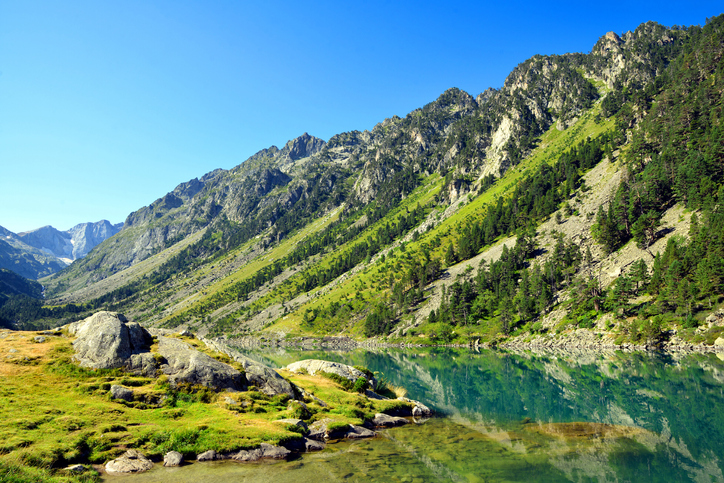
Pyrenees National Park
The Pyrenees mountain range is home to remarkable ecological diversity. On both sides of the border, in France and Spain, eco-friendly projects are promoting the conservation of this unique ecosystem.
Écrins National Park
Located in the French Alps, with vast expanses of mountains, valleys, and lakes, the park offers endless opportunities for hiking, wildlife watching, and eco-friendly experiences.
In Europe
Slovak Paradise National Park, Slovakia
This park, listed as a UNESCO World Heritage Site, offers hiking trails through spectacular gorges, with an emphasis on biodiversity conservation.
Faroe Islands, Denmark
Nestled in the North Atlantic, the Faroe Islands offer breathtaking landscapes alongside a strong commitment to sustainable tourism and the preservation of local traditions.
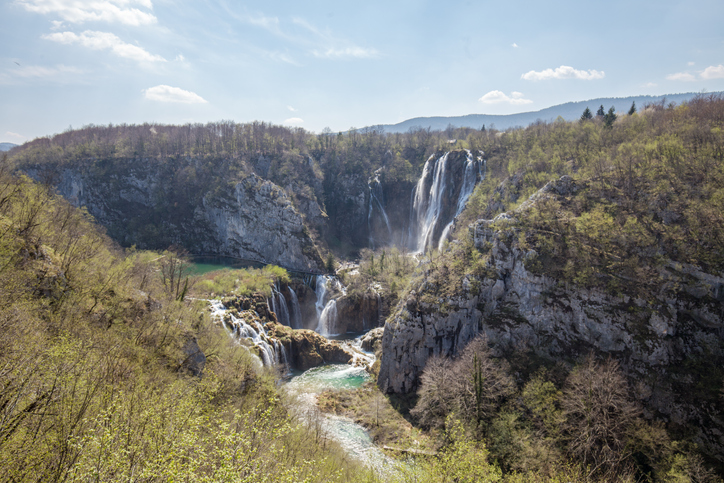
Plitvice Lakes National Park, Croatia
Renowned for its lakes and waterfalls, Plitvice Park implements strict measures to protect its flora and fauna, offering visitors a unique eco-friendly experience.
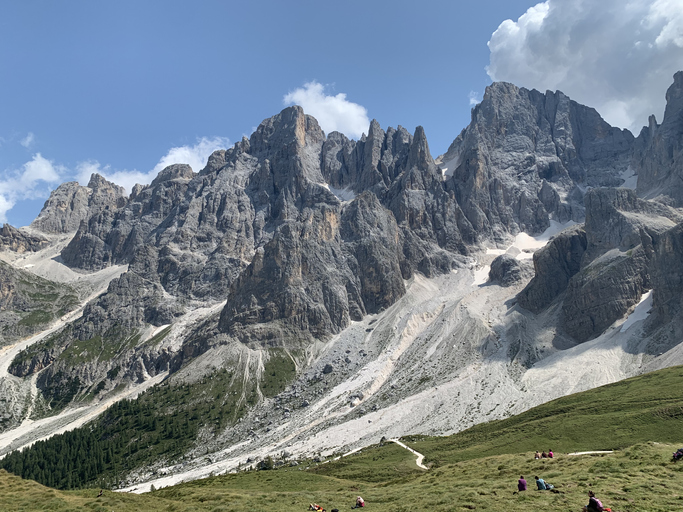
The Val di Fiemme, Italy
This unspoilt valley is ideal for exploring the Dolomites away from the crowds, helping to preserve this breathtaking natural area — which unfortunately suffers from heavy tourist pressure.
Cilento Nature Reserve, Italy
This is one of Italy’s largest nature reserves, developed in perfect harmony with the environment and listed as a UNESCO World Heritage Site. Its added bonus? Around 2,000 hidden caves waiting to be explored by hiking enthusiasts.
Eco-friendly travel is more than just a trend, it’s a necessity for preserving our planet. By adopting sustainable practices and making conscious choices, every traveller can help build a world where adventure coexists in harmony with the protection of our planet and all who inhabit it.
With Teritoria, you can travel responsibly by choosing places that share a passion for hospitality and values rooted in care, connection, and curiosity.
To stay up to date and receive our latest articles and suggestions for your next trips, sign up for our newsletter. To offer your loved ones a responsible trip, visit our gift shop.
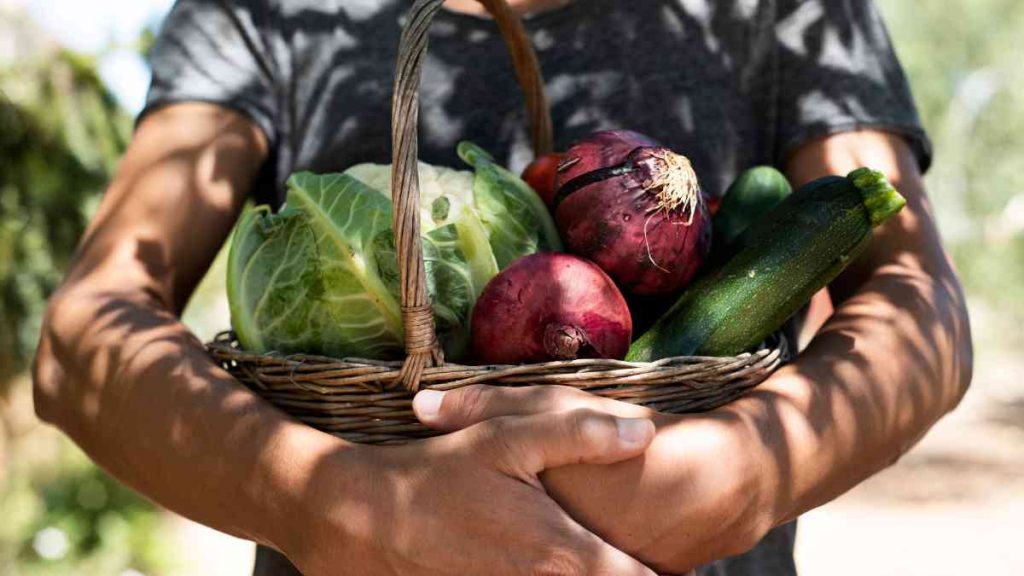
Seasonal eating plays many roles. By choosing to eat foods according to their natural harvesting period, we adopt a behavior that limits the distances that products travel, reduces the energy required for their production and supports sustainable, local farming practices. This approach not only helps lower our carbon footprint but also preserves local biodiversity, contributing to the protection of our environment. While seasonal cooking undoubtedly delights our taste buds, whether prepared at home or by renowned chefs, it primarily reflects a commitment to the environment.
In light of this, Teritoria has put together a winter fruits and vegetables calendar to help you strike the perfect balance between culinary pleasure and preserving our planet.
Seasonal Calendar: January’s Fruits and Vegetables
While summer offers a palette of summery colors and flavors, winter emerges with its own set of culinary delights. The hearty dishes of the season are ideal for gathering with friends or family, providing genuine comfort at the table. To awaken your taste buds, let’s explore the January calendar, which will help you savor this time of year to the fullest.
January Vegetables
January may not offer the same abundance of local vegetables as previous months, but it still has plenty to soothe the soul during what’s often considered the most somber time of the year. Gratins, stews, soups – winter offers numerous comforting recipes to keep you warm!
Beetroot
Carrot
Celery
Brussels sprouts
Squash
Belgian Endive
Spinach
Turnip
Parsnip
Leek
Potato
January Fruits
Winter is the perfect time to ward off the cold and give your body a boost of all the vitamins naturally found in fruit and vegetables. This season’s local fruit don’t disappoint! They will help you stay energized and strengthen your immune system against winter flu and viruses.
Lemon
Clementine
Kiwi
Mandarin
Orange
Shaddock Pomelo
Pear
Apple
Seasonal Calendar: February’s Fruits and Vegetables
A warm welcome to February, the shortest month of the year! Though brief, the selection of fruits and vegetables is not much different from January. While these months often inspire indulgent dishes such as raclette, tartiflette or fondue, we shouldn’t forget the vitamins naturally present in fruits and vegetables that help us stay strong during this time. Comfort food, yes, but with a balance!
February Vegetables
As in January, the calendar might not be too rich, but it still offers the chance to brighten up your plate with comforting local vegetables that bring warmth and all the essential nutrients you need.
Beetroot
Carrot
Celery
Brussels sprouts
Endive
Frisée lettuce
Corn salad
Turnip
Leek
Potato
February Fruits
February doesn’t offer more local fruits than January. However, the winter holiday season, just around the corner, brings plenty of vitamins to fuel you as you tackle the ski slopes like a pro!
Lemon
Clementine
Kiwi
Mandarin
Orange
Shaddock Pomelo
Pear
Apple
Seasonal Calendar: March’s Fruits and Vegetables
March often signals the return of warmer days, and the local fruit and vegetable calendar is no exception. As the sun starts to peek out on terraces, it also begins to shine on our plates. A few spring vegetables will surely put the finishing touches onto your seasonal cuisine!
March Vegetables
March continues to delight our palates with comforting dishes, while also introducing slightly more spring-like flavors. Whether soups, gratins, stews or salads, the return of warmer weather offers plenty of delicious options!
Asparagus
Beetroot
Chard
Carrot
Celery
Brussels sprouts
Endive
Spinach
Frisée lettuce
Turnip
Leek
Potato
March Fruits
The local fruits of March, like those of the other winter months, are still brimming with vitamins. Enough to keep you going until the clocks change for daylight savings at the end of the month!
Lemon
Kiwi
Mandarin
Orange
Shaddock Pomelo
Pear
Apple
Treat Your Loved Ones to a Gourmet and Responsible Getaway
Now, you have the opportunity to combine gourmet pleasure with ecological responsibility all winter long. A generous calendar of seasonal products awaits you, offering countless possibilities for creating comforting, vitamin-rich recipes throughout this period. If you’re looking to delight your loved ones, treat them to a unique experience in one of the charming establishments of Teritoria, where seasonal cuisine combines taste with sustainability. Choose from our Getaway & Fine Dining gift boxes to enjoy a gourmet stay in a one-of-a-kind setting.
And for any other kind of stay—whether it’s a romantic getaway, a Michelin-starred table, or a wellness break—visit our online shop to treat your loved ones!
And if you don’t want to miss any of our travel & gastronomy articles, sign up here.